

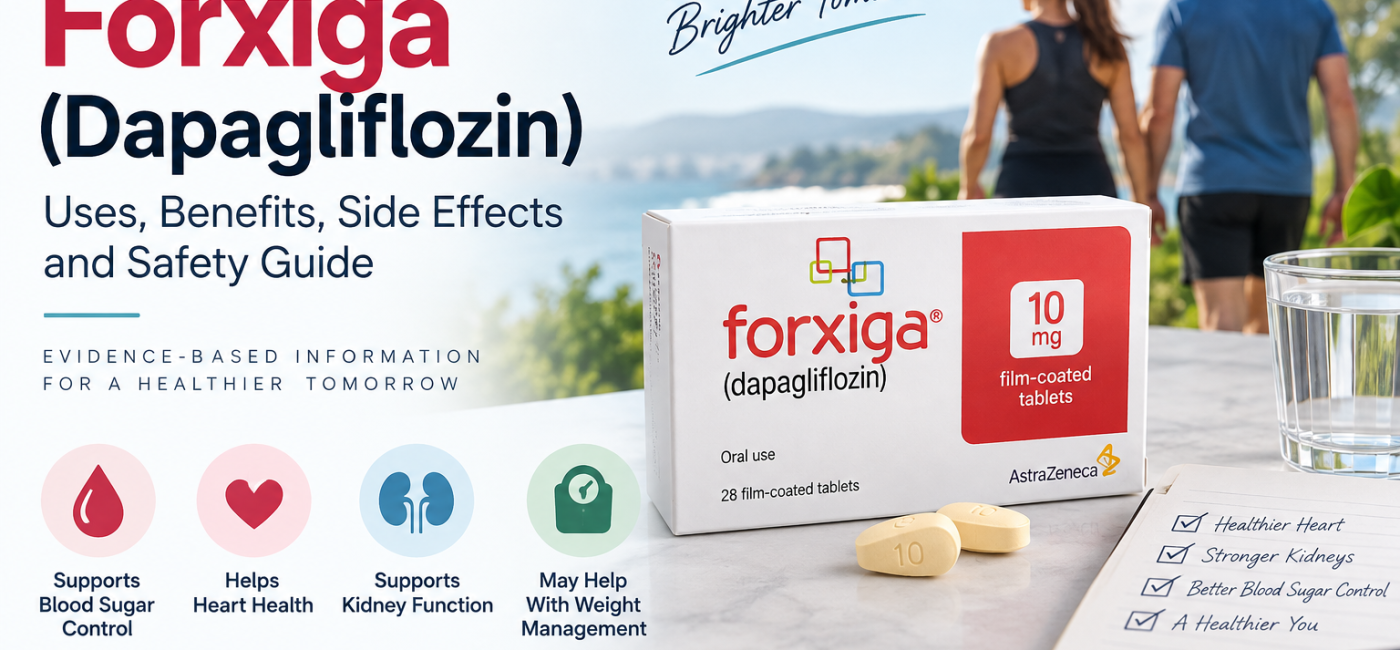
Buy forxiga online in australia from Onlinepharmaustralia. Forxiga is a prescription medicine containing dapagliflozin. It belongs to a class of medicines called SGLT2 inhibitors and is used in Australia for several medical conditions, including type 2 diabetes, symptomatic heart failure and certain forms of chronic kidney disease.
If you are looking for information about Forxiga 10 mg, Forxiga side effects, Forxiga uses, dapagliflozin, Forxiga for diabetes, heart failure or kidney disease, this guide explains what the medicine does, how it works and the safety information you should know.
Important: Forxiga is a prescription-only medicine in Australia. Treatment should be determined and monitored by an appropriately qualified healthcare professional.
What Is Forxiga?
Forxiga is the brand name for dapagliflozin.
It is an SGLT2 inhibitor that works mainly in the kidneys. SGLT2 normally helps the kidneys reabsorb glucose back into the bloodstream. Dapagliflozin reduces this reabsorption, allowing more glucose to leave the body through urine.
This mechanism helps explain why dapagliflozin can affect blood glucose while also having important effects on fluid balance, heart failure and kidney disease.
In Australia, Forxiga is supplied as an oral tablet and is classified as a Schedule 4 prescription medicine. The currently listed Forxiga presentation contains 10 mg of dapagliflozin.
What Is Forxiga Used For?
Forxiga has several approved uses in Australia.
Forxiga for Type 2 Diabetes
For adults with type 2 diabetes, dapagliflozin can be used alongside diet and exercise to improve blood-glucose control.
Depending on the patient’s circumstances, it may be used alone when metformin is not tolerated or together with other glucose-lowering medicines.
Forxiga is not approved for the treatment of type 1 diabetes in Australia. The TGA has specifically warned about the risk of diabetic ketoacidosis when SGLT2 inhibitors are used off-label in people with type 1 diabetes.
Forxiga for Heart Failure
Forxiga also has an established role in heart-failure treatment.
The Australian indication covers adults with symptomatic heart failure regardless of left ventricular ejection fraction, as an addition to standard-of-care treatment.
This means dapagliflozin may be prescribed for some people with heart failure even when diabetes is not the reason for treatment.
Your doctor will determine whether it is appropriate based on your diagnosis, kidney function, other medicines and overall health.
Forxiga for Chronic Kidney Disease
Forxiga is also indicated for certain adults with proteinuric chronic kidney disease.
The TGA indication covers adults with proteinuric CKD at stages 2, 3 or 4 and urine albumin-to-creatinine ratio of at least 20 mg/mmol.
This is an important development in the use of dapagliflozin because its clinical role extends beyond blood-glucose management.
How Does Forxiga Work?
Forxiga works by inhibiting sodium-glucose cotransporter 2 (SGLT2) in the kidneys.
Normally, the kidneys filter glucose and then reabsorb much of it back into the bloodstream.
Dapagliflozin reduces this reabsorption.
As a result:
- more glucose is passed into the urine
- blood glucose can decrease
- urinary glucose excretion increases
- urinary fluid loss can increase
- kidney and cardiovascular effects can occur beyond glucose lowering
This is why SGLT2 inhibitors are now used in several areas of medicine.
What Is Forxiga 10 mg?
Forxiga 10 mg contains 10 mg of dapagliflozin.
Healthdirect currently lists Forxiga as a 10 mg film-coated oral tablet and confirms that it requires a prescription from a healthcare professional.
The appropriate treatment depends on why the medicine has been prescribed and on the patient’s medical circumstances.
Do not change your dose or take a different strength without medical advice.
Does Forxiga Cause Weight Loss?
Weight reduction can occur in some people taking dapagliflozin.
Because the medicine increases glucose excretion through urine, some people experience a modest reduction in body weight. Fluid changes may also contribute to an early change on the scales.
However, Forxiga is not a general-purpose weight-loss medicine.
Its Australian therapeutic indications relate to type 2 diabetes, heart failure and specified chronic kidney disease.
If your primary goal is weight management, speak with a healthcare professional about treatments that are specifically appropriate for your health circumstances.
Side Effects
Like all prescription medicines, Forxiga can cause side effects.
Some of the more relevant effects are associated with increased glucose and fluid passing through the urine.
Possible side effects include:
- increased urination
- genital infections
- urinary tract infections
- dehydration
- dizziness
- changes in blood pressure
Not everyone experiences these effects.
If symptoms are persistent, severe or concerning, contact your doctor or pharmacist.
Forxiga and Dehydration
Because dapagliflozin increases urinary glucose and fluid loss, dehydration can occur.
Possible symptoms include:
- increased thirst
- dry mouth
- dizziness
- weakness
- reduced urination
The risk may become more important when you are unwell and unable to maintain adequate fluid intake.
Vomiting, diarrhoea, fever or prolonged fasting can also change your fluid balance.
If you become significantly unwell while taking Forxiga, contact your healthcare professional for advice about your treatment.
Urinary or Genital Infections
SGLT2 inhibitors increase the amount of glucose in urine.
This can increase the risk of some genital infections and may also be associated with urinary tract infections.
Seek medical advice if you develop symptoms such as:
- burning or pain when urinating
- needing to urinate more frequently
- genital itching
- genital redness or swelling
- unusual discharge
- fever
- pelvic or lower abdominal discomfort
Early assessment can help determine the appropriate treatment.
Diabetic Ketoacidosis
One of the most important safety issues associated with SGLT2 inhibitors is diabetic ketoacidosis (DKA).
DKA can occur even when blood glucose is not extremely high.
Possible symptoms include:
- nausea
- vomiting
- abdominal pain
- unusual tiredness
- difficulty breathing
- excessive thirst
- confusion
- feeling seriously unwell
The TGA has warned about DKA with SGLT2 inhibitors and advises people experiencing concerning symptoms to seek immediate medical attention.
2026 safety update
The TGA updated the Australian product information for dapagliflozin in 2026.
The updated information states that ketoacidosis and glucosuria may persist for longer than expected after Forxiga has been stopped. The TGA also added guidance concerning surgery and prolonged fasting.
This is an important reason not to restart, stop or change Forxiga without appropriate medical advice.
Forxiga and Surgery
If you take Forxiga and have an upcoming operation, tell your doctor and surgical team.
The TGA’s June 2026 safety update states that Forxiga should be ceased before major surgery or procedures associated with prolonged fasting.
Your healthcare professional should tell you when to stop the medicine and when it is appropriate to restart it.
Do not make these changes independently.
Kidney Function
Forxiga affects kidney physiology, but that does not mean it is suitable for every person with kidney disease.
Dapagliflozin now has an Australian indication for reducing the risk of progressive decline in kidney function in adults with specified proteinuric chronic kidney disease.
Your healthcare professional may consider:
- kidney function
- urine albumin levels
- blood pressure
- hydration
- other medicines
- your underlying kidney condition
Kidney treatment should always be personalised.
Heart Failure
it is now an important part of treatment for certain people with symptomatic heart failure.
The Australian indication applies regardless of left ventricular ejection fraction and specifies use alongside standard care.
This means the medicine may be relevant to people with heart failure who do not have diabetes.
If you have been prescribed for heart failure, your doctor can explain how it fits into your wider treatment plan.
Can Forxiga Be Taken With Other Medicines?
Yes, dapagliflozin may be prescribed alongside other medicines when clinically appropriate.
For diabetes, it may be combined with other glucose-lowering treatments.
For heart failure and kidney disease, it may form part of a broader treatment plan that includes several medicines.
However, combinations can affect:
- blood glucose
- blood pressure
- kidney function
- fluid balance
- risk of hypoglycaemia
Tell your healthcare professional about every prescription medicine, over-the-counter medicine, vitamin and supplement you take.
Who Should Speak With a Doctor Before Taking?
Before starting treatment, tell your healthcare professional if you have:
- kidney disease
- low blood pressure
- dehydration
- recurrent urinary or genital infections
- diabetes treated with insulin
- a history of ketoacidosis
- a planned operation
- difficulty eating or drinking normally
- a serious or prolonged illness
Your doctor can determine whether Forxiga is appropriate and whether you require additional monitoring.
Dapagliflozin: What’s the Difference?
Forxiga is a brand name. Dapagliflozin is the active ingredient.
They are therefore closely related terms rather than two completely different medicines.
Australia also has other medicines containing dapagliflozin. Healthdirect lists and several generic dapagliflozin products.
A pharmacist can explain whether a particular dapagliflozin product is appropriate for your prescription.
Is Forxiga Prescription-Only in Australia?
Yes.
Healthdirect currently classified as a Schedule 4 prescription-only medicine. It is supplied through a pharmacist when a valid prescription is provided.
Patients should be cautious about websites claiming to supply prescription medicines without appropriate medical assessment or a valid prescription.
Frequently Asked Questions About Forxiga
What is it used for?
it is used in Australia for type 2 diabetes, symptomatic heart failure and specified proteinuric chronic kidney disease.
What is the active ingredient in Forxiga?
The active ingredient is dapagliflozin.
What is Forxiga 10 mg?
Forxiga 10 mg is an oral tablet containing 10 mg of dapagliflozin. It is a prescription medicine in Australia.
Does Forxiga cause weight loss?
Some people experience weight reduction while taking dapagliflozin, but is not approved in Australia as a general weight-loss treatment.
What are the common side effects of Forxiga?
Possible side effects include increased urination, genital infections, urinary tract infections, dehydration and dizziness.
Can Forxiga be used for heart failure?
Yes. It is indicated for adults with symptomatic heart failure independent of left ventricular ejection fraction, as an adjunct to standard care.
Can Forxiga help with kidney disease?
For specified adults with proteinuric CKD, is indicated to reduce the risk of progressive decline in kidney function.
Can people with type 1 diabetes take Forxiga?
is not approved in Australia for treating type 1 diabetes. The TGA has highlighted the risk of diabetic ketoacidosis with off-label SGLT2 inhibitor use in type 1 diabetes.
Should I tell my doctor before surgery if I take Forxiga?
Yes. The TGA’s 2026 safety update states that should be stopped before major surgery or procedures involving prolonged fasting, according to appropriate medical advice.