

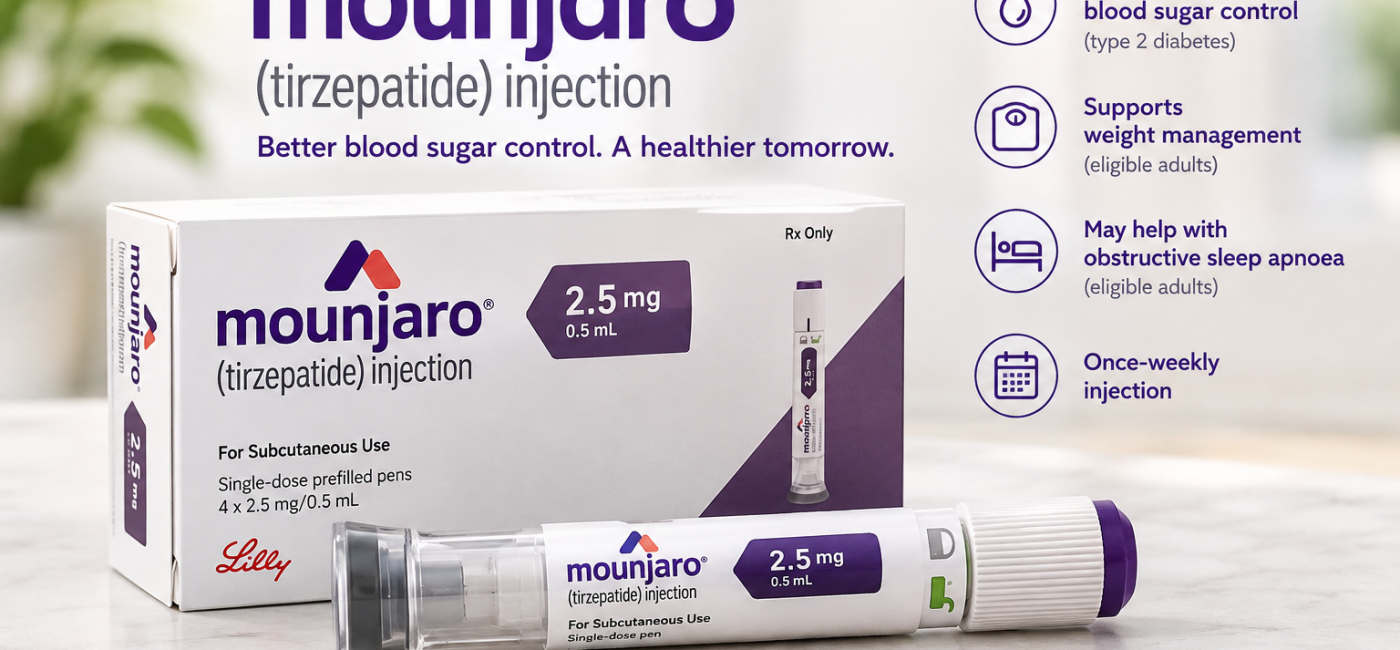
Mounjaro and Alcohol: Can You Drink Alcohol While Taking Tirzepatide? Onlinepharmaustralia. If you take Mounjaro (tirzepatide), you may wonder whether it is safe to drink alcohol.
Mounjaro does not come with a simple rule that every patient must completely avoid alcohol. However, alcohol can complicate some of the effects and risks associated with tirzepatide, particularly if you have diabetes, experience nausea or vomiting, become dehydrated, or take other medicines that can lower blood glucose.
Your individual circumstances matter. If you have been prescribed Mounjaro, ask your doctor or pharmacist whether alcohol is appropriate for you.
This guide explains what is known about Mounjaro and alcohol, potential concerns, symptoms to watch for, and practical considerations for people taking tirzepatide in Australia.
Can You Drink Alcohol While Taking Mounjaro?
There is no universal prohibition against alcohol in the Australian Mounjaro product information.
However, this does not mean that drinking alcohol is risk-free.
Mounjaro can cause gastrointestinal effects such as nausea, vomiting and diarrhoea. Alcohol may make it harder for some people to tolerate these symptoms and can contribute to dehydration.
Alcohol can also affect blood glucose levels. This is particularly important for people with type 2 diabetes or people using Mounjaro alongside other glucose-lowering medicines.
The safest approach is to discuss alcohol consumption with your healthcare professional, particularly if you have diabetes or take other medicines that affect blood glucose.
Does Alcohol Interact With Mounjaro?
Alcohol is not generally described as a direct drug interaction with tirzepatide in the same way as some medicines have specific pharmacological interactions.
However, alcohol and Mounjaro can have overlapping effects that may be clinically relevant.
For example:
- Mounjaro can cause nausea, vomiting and diarrhoea.
- Alcohol can contribute to gastrointestinal discomfort.
- Alcohol can contribute to dehydration.
- Alcohol can affect blood glucose.
- Drinking may make it more difficult to recognise or respond appropriately to some symptoms.
- Alcohol can add calories to your diet, which may be relevant when Mounjaro is being used as part of a weight-management plan.
Therefore, the question is not simply whether alcohol “interacts” with Mounjaro. Your overall health, treatment plan, amount of alcohol consumed and other medicines also matter.
Can Alcohol Make Mounjaro Side Effects Worse?
It can.
Mounjaro commonly causes gastrointestinal side effects, particularly during treatment initiation or after dose increases.
These can include:
- Nausea
- Vomiting
- Diarrhoea
- Constipation
- Abdominal discomfort
- Reduced appetite
Alcohol can irritate the gastrointestinal system and may make symptoms more difficult to tolerate for some people.
If you already feel nauseated, have diarrhoea or are vomiting, avoiding alcohol is sensible because maintaining adequate hydration becomes more important.
Mounjaro, Alcohol and Dehydration
Dehydration is one of the more practical concerns when combining alcohol with Mounjaro.
Vomiting and diarrhoea can cause fluid loss. Alcohol can also contribute to dehydration.
If these occur together, you may become dehydrated more easily.
Signs of dehydration can include:
- Strong thirst
- Dry mouth
- Dark urine
- Passing urine less frequently
- Dizziness
- Weakness
- Headache
If you have persistent vomiting or diarrhoea, cannot keep fluids down, feel faint or develop significant weakness, seek medical advice.
Can Alcohol Cause Low Blood Sugar With Mounjaro?
The answer depends partly on what other medicines you take.
Mounjaro itself does not usually cause hypoglycaemia when used alone because its effect on insulin secretion is glucose-dependent.
However, the risk of hypoglycaemia can increase when Mounjaro is used with medicines such as insulin or sulfonylureas.
Alcohol can also affect blood glucose regulation.
For people with diabetes, particularly those using insulin or sulfonylureas, drinking alcohol therefore deserves additional caution.
Speak with your doctor or diabetes healthcare professional if you are unsure how alcohol may affect your blood glucose while taking Mounjaro.
What Are the Symptoms of Low Blood Sugar?
Hypoglycaemia can cause symptoms such as:
- Shaking
- Sweating
- Hunger
- Dizziness
- Weakness
- Headache
- Fast heartbeat
- Irritability or confusion
- Difficulty concentrating
More severe hypoglycaemia can cause loss of consciousness or seizures.
Alcohol can also affect alertness and judgement, which may make it more difficult to recognise or respond to symptoms.
If you use insulin or a sulfonylurea with Mounjaro, ask your healthcare professional about your personal hypoglycaemia risk.
Can You Drink Alcohol After Taking Mounjaro?
Mounjaro is administered once weekly, but this does not mean there is a specific “safe” period after the injection when alcohol suddenly becomes risk-free.
Tirzepatide remains in the body for an extended period because it has a long elimination half-life.
Therefore, spacing alcohol several hours away from your weekly injection does not eliminate potential effects.
Instead, consider your overall response to Mounjaro, your other medicines, your health conditions and the amount of alcohol consumed.
Should You Avoid Alcohol on Mounjaro for Weight Loss?
If you are using Mounjaro as part of a weight-management programme, reducing alcohol may be helpful for nutritional reasons.
Alcohol can provide significant calories without supplying the same nutritional value as protein-rich foods, vegetables, fruit, whole grains and other nutrient-dense foods.
Alcohol may also make it easier to consume foods that are higher in calories.
However, weight management is not simply about avoiding one particular food or drink.
A sustainable approach generally focuses on an overall eating pattern, physical activity, sleep, behaviour and appropriate medical treatment.
Read our related guide:
Mounjaro Diet Plan: What to Eat and Foods to Avoid
Can Alcohol Make Mounjaro Less Effective?
There is no evidence that having an occasional alcoholic drink simply “cancels out” the pharmacological action of tirzepatide.
However, alcohol can make weight-management goals more difficult depending on how much and how often you drink.
Alcohol contains calories, and drinking may influence appetite, food choices, sleep and physical activity.
Therefore, if you are using Mounjaro for weight management, consider alcohol as part of your overall dietary pattern rather than focusing only on whether it directly interferes with tirzepatide.
What If You Feel Sick After Drinking Alcohol on Mounjaro?
If you experience mild nausea after drinking, stop drinking and focus on hydration.
Avoid consuming more alcohol while you feel unwell.
If you are vomiting, take small amounts of fluid as tolerated rather than consuming a large volume at once.
Seek medical advice if symptoms are severe, persistent or worsening.
You should obtain urgent medical attention if you develop severe abdominal pain, particularly if it is persistent or radiates to your back, because severe abdominal pain can be a warning sign of pancreatitis.
Mounjaro, Alcohol and Pancreatitis
Pancreatitis is an important but uncommon potential adverse effect associated with medicines such as Mounjaro.
Heavy alcohol consumption is also a recognised risk factor for pancreatitis.
This does not mean that every person taking Mounjaro who drinks alcohol will develop pancreatitis. It does mean that people with relevant risk factors should discuss alcohol consumption with their healthcare professional.
Seek urgent medical attention if you develop severe and persistent abdominal pain, particularly if it is accompanied by vomiting.
Do not attempt to diagnose pancreatitis yourself.
What If You Have Type 2 Diabetes?
If you take Mounjaro for type 2 diabetes, alcohol requires additional consideration.
Alcohol can affect blood glucose differently depending on the amount consumed, whether you have eaten, your overall health and the other medicines you take.
If you use insulin or a sulfonylurea, your risk of hypoglycaemia may be higher.
Your diabetes healthcare professional can provide advice based on your treatment plan and glucose-management goals.
Do not change your diabetes medicines simply because you plan to drink alcohol.
What If You Are Trying to Lose Weight?
If weight loss is your goal, consider how alcohol fits into your overall eating pattern.
Alcohol provides calories, and some alcoholic drinks can contain substantial amounts of added sugar or other carbohydrates.
Drinking can also affect:
- Appetite
- Food choices
- Sleep
- Exercise
- Hydration
- Overall calorie intake
Mounjaro works as part of a broader treatment approach. It should not be viewed as a way to offset a consistently high-calorie diet or frequent alcohol consumption.
Is There a “Safe Amount” of Alcohol With Mounjaro?
There is no universal amount that can be labelled safe for every person taking Mounjaro.
The appropriate advice depends on factors including:
- Why you have been prescribed Mounjaro
- Your medical history
- Whether you have diabetes
- Other medicines you take
- Your history of gastrointestinal problems
- Your alcohol intake
- Your weight-management goals
- Your individual response to tirzepatide
If you drink alcohol, discuss your consumption with your doctor or pharmacist rather than relying on a general online recommendation.
Tips for People Who Choose to Drink Alcohol
If your healthcare professional has advised that alcohol is appropriate for you, consider:
Stay hydrated
Drink water regularly, especially if you are active or the weather is hot.
Avoid drinking when you are already experiencing significant side effects
If Mounjaro is causing vomiting, diarrhoea or significant nausea, alcohol may make the situation harder to manage.
Be cautious if you use insulin or sulfonylureas
Ask your healthcare professional about your personal hypoglycaemia risk.
Avoid excessive drinking
Large amounts of alcohol can increase several health risks and may interfere with your treatment goals.
Pay attention to your body
If you feel unusually unwell after drinking, stop and seek medical advice when appropriate.
Remember your overall treatment plan
Mounjaro is intended to be used alongside appropriate dietary and lifestyle measures when prescribed for weight management.
Mounjaro and Alcohol: When to Seek Medical Help
Seek urgent medical attention if you develop:
- Severe or persistent abdominal pain
- Severe vomiting
- Difficulty keeping fluids down
- Signs of significant dehydration
- Severe confusion
- Loss of consciousness
- Symptoms of a serious allergic reaction
- Severe hypoglycaemia
If you are unsure whether symptoms are related to Mounjaro, alcohol or another cause, seek medical advice rather than attempting to determine the cause yourself.
Frequently Asked Questions
Can I drink alcohol while taking Mounjaro?
There is no universal prohibition against alcohol in the Australian Mounjaro product information, but alcohol may worsen gastrointestinal symptoms, contribute to dehydration and affect blood glucose. Your individual circumstances should be considered with a healthcare professional.
Does alcohol stop Mounjaro from working?
Alcohol does not simply switch off tirzepatide’s pharmacological effects. However, alcohol can make weight-management goals more difficult because of its calories and potential effects on appetite, food choices and lifestyle.
Can I drink alcohol on Mounjaro if I have diabetes?
You should discuss alcohol with your diabetes healthcare professional. The risk is particularly important if you also use insulin or a sulfonylurea because hypoglycaemia may be a concern.
Can alcohol make Mounjaro nausea worse?
It can. Alcohol may make gastrointestinal symptoms more difficult to tolerate in some people.
Should I avoid alcohol after my Mounjaro injection?
There is no specific period after the injection when alcohol automatically becomes safe. Tirzepatide remains in the body for an extended period, so the decision should be based on your overall health and treatment circumstances.
Can I drink alcohol while taking Mounjaro for weight loss?
Some people may be able to consume alcohol, but reducing alcohol intake can make it easier to manage calorie intake and maintain healthy lifestyle habits. Discuss your individual circumstances with your healthcare professional.
What if I vomit after drinking alcohol while taking Mounjaro?
Stop drinking and focus on maintaining hydration. If vomiting is severe, persistent or you cannot keep fluids down, seek medical advice.
The Bottom Line
Mounjaro and alcohol are not automatically incompatible, but combining the two can require caution.
Alcohol may worsen nausea or other gastrointestinal symptoms, contribute to dehydration and affect blood glucose. These concerns become particularly important if you have diabetes or use medicines such as insulin or sulfonylureas.
If you take Mounjaro, focus on your overall health and treatment plan rather than looking for a simple number of drinks that is considered safe for everyone.
If you have questions about alcohol, Mounjaro or your other medicines, speak with your doctor or pharmacist for advice specific to you.
This article is for general educational purposes and does not replace the Australian Consumer Medicine Information, Product Information or personalised medical advice.